
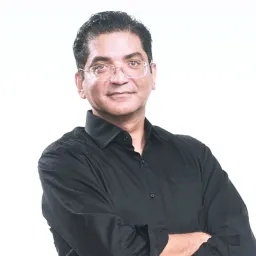
Ibrar Ahmed, Principal Engineer at pgEdge, brings 25 years of experience in software design and open-source development, particularly PostgreSQL. With a strong background in system-level embedded development, Ibrar has made impactful contributions during his tenure at companies like EnterpriseDB, Percona, and Bitnine. Since 2006, he's been instrumental in enhancing PostgreSQL's core engine, driving performance improvements, and refining essential modules.

His expertise spans MySQL, Oracle, and NoSQL solutions like MongoDB and Hadoop, alongside tools like Hive, HBase, and Spark. A prolific author and blogger, Ibrar shares deep insights into PostgreSQL with several authoritative books. Over the past year, he’s delivered over fifteen talks worldwide at PostgreSQL conferences, further cementing his reputation. His dedication to advancing data management technology continues to shape the PostgreSQL landscape.


Presentations

20x

Tune PostgreSQL for Read/Write Scalability.

PostgreSQL is one of the leading open-source databases. Out of the box, the default PostgreSQL configuration is not tuned for any particular workload. Nowadays, production systems have quite expensive machines, which require extra configuration for PostgreSQL. In this talk, users will see how to configure PostgreSQL for a Read/Write/Read-Write intensive load. This talk will explain every important configuration parameter with real-time examples.

See Presentation
19x

PostgreSQL and Artificial intelligence

Artificial intelligence, machine learning, and deep learning are intertwined capabilities that attempt to solve problems that defy traditional computational solutions --- problems including fraud detection, voice recognition, and search result recommendations. While they elude simple computation, they are computationally expensive, involving the calculation of perhaps millions of probabilities and weights. These computations can be done outside the database, but there are specific advantages of doing machine learning inside it, close to where the data is stored.

See Presentation